Thirty years of looking after the creeks
Umina's creeks and lagoons are still here because local people kept turning up: in Council chambers, in court, and on the creek bank with a pair of gloves.
Historically the creeks were zoned as drainage reserves, managed by engineers rather than environmental officers. Much of the group's work has been changing that, so the creeks are treated as living waterways and not just stormwater channels.
Timeline
- Early 1980s
Iluka Lagoon saved
Residents oppose plans to fill and develop Iluka Lagoon. The developer hands the lagoon to Council as open space instead.
- 1987
UNDO forms
Locals form the Umina Nature Defence Organisation, which spends ten years lobbying to protect the creeks and lagoons, including in the Land and Environment Court.
- 1994
Ettymalong Creek Landcare begins
UNDO members start a Landcare group to show how bush regeneration can restore the creeks. The group writes the brief for Council's first management plan for the whole creek and lagoon network.
- 1995
Rivers Reborn
A NSW Government Rivers Reborn grant funds weeding, major rubbish removal and community education at Ettymalong Billabong. Seventy-five people come to the first public meeting.
- 1997
Coastcare project
Coastcare funds more bush regeneration, signs and perimeter barriers around the billabong.
- 1995 to 2006
Ten thousand plants
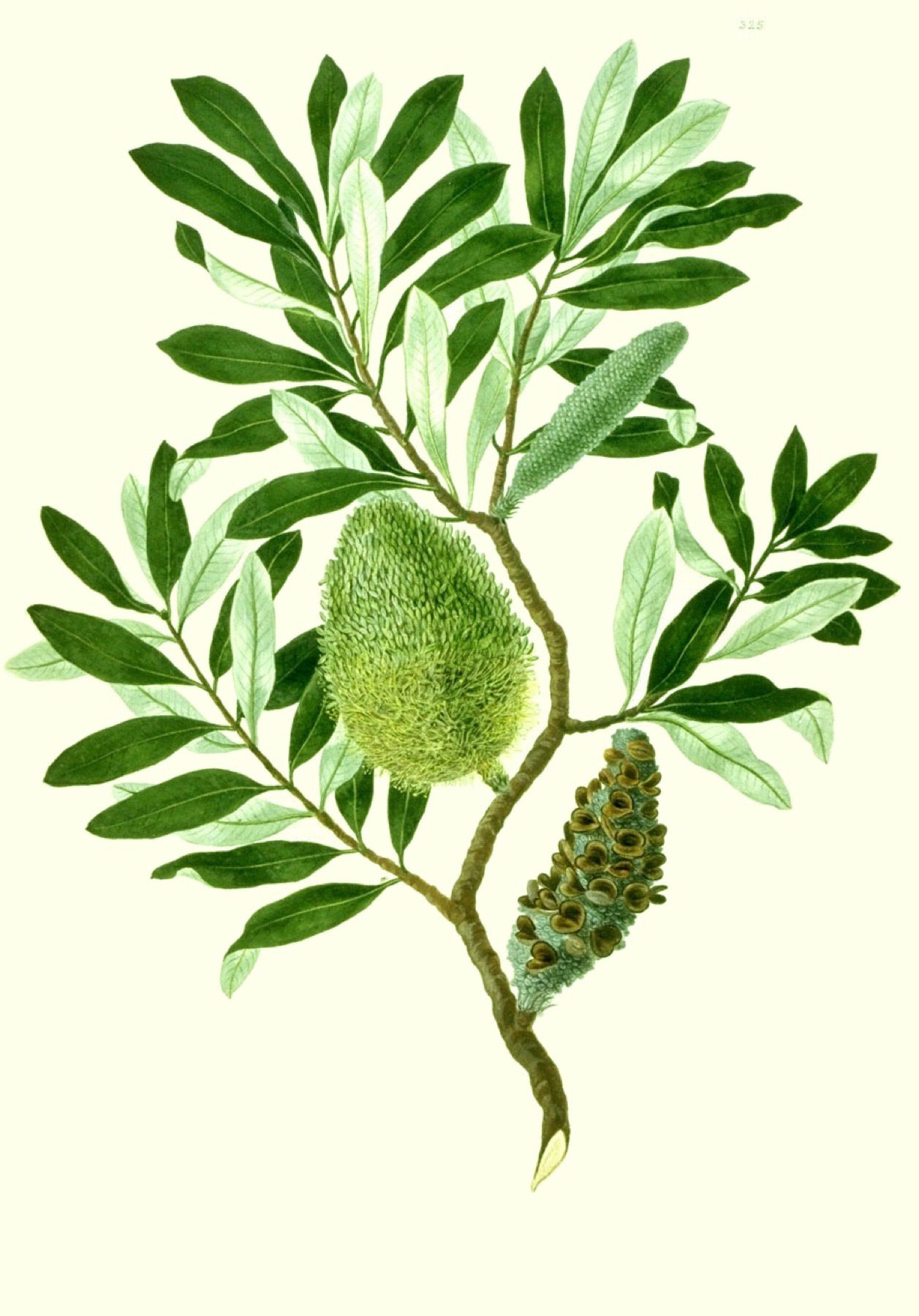
Monthly work days, school planting days and more than $100,000 in grants. Volunteers clean up the whole creek system, remove large coral trees along the creeks (some on private land), and propagate and plant over 10,000 local native plants, especially swamp mahogany (Eucalyptus robusta).
- 2003
Kahibah Creek trees replaced
Council plans to remove more than 490 native trees for flood works. The group's submissions to the Commonwealth secure licence conditions requiring compensatory planting first. Those plantings now line Kahibah Creek.
- 2010
Better creek maintenance
Council reports that "cutting and drowning" bulrushes, a method the group pushed for instead of spraying and dredging, has cut Typha infestations by 95%.
- Today
A small group, still turning up
More than thirty years on, a small group still meets every third Sunday to look after the patch at Ettymalong Billabong, beside Umina Oval.
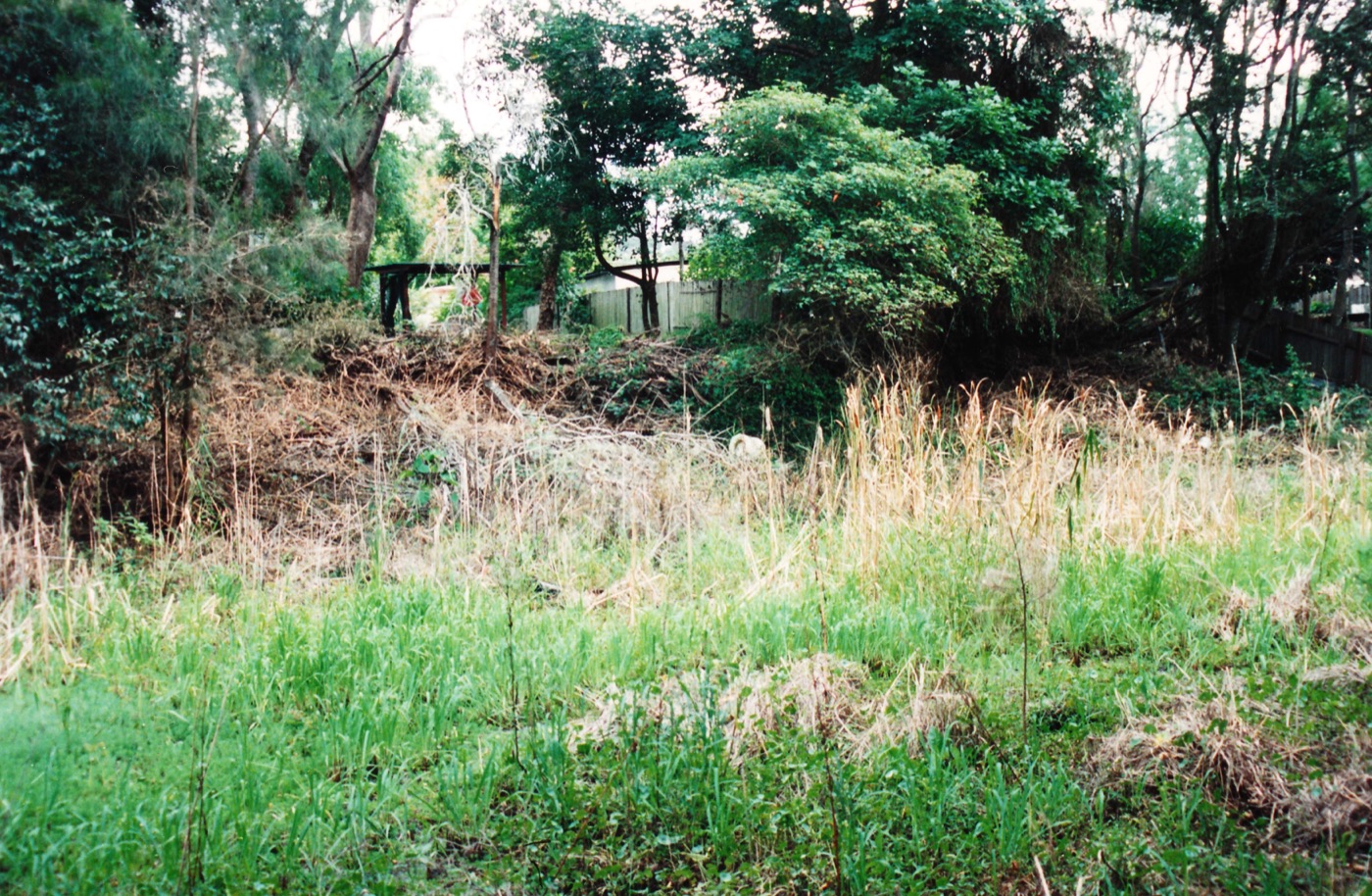
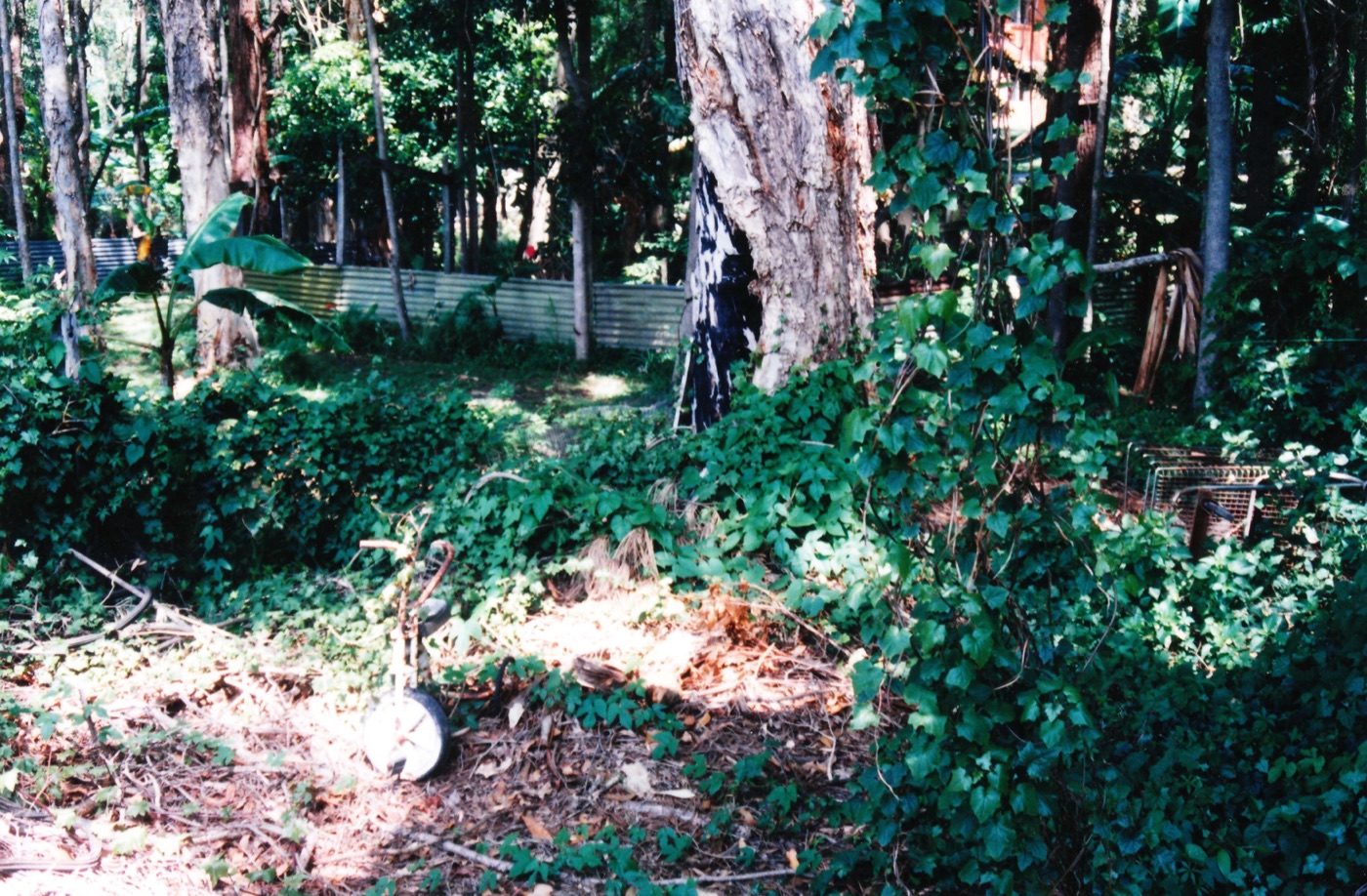
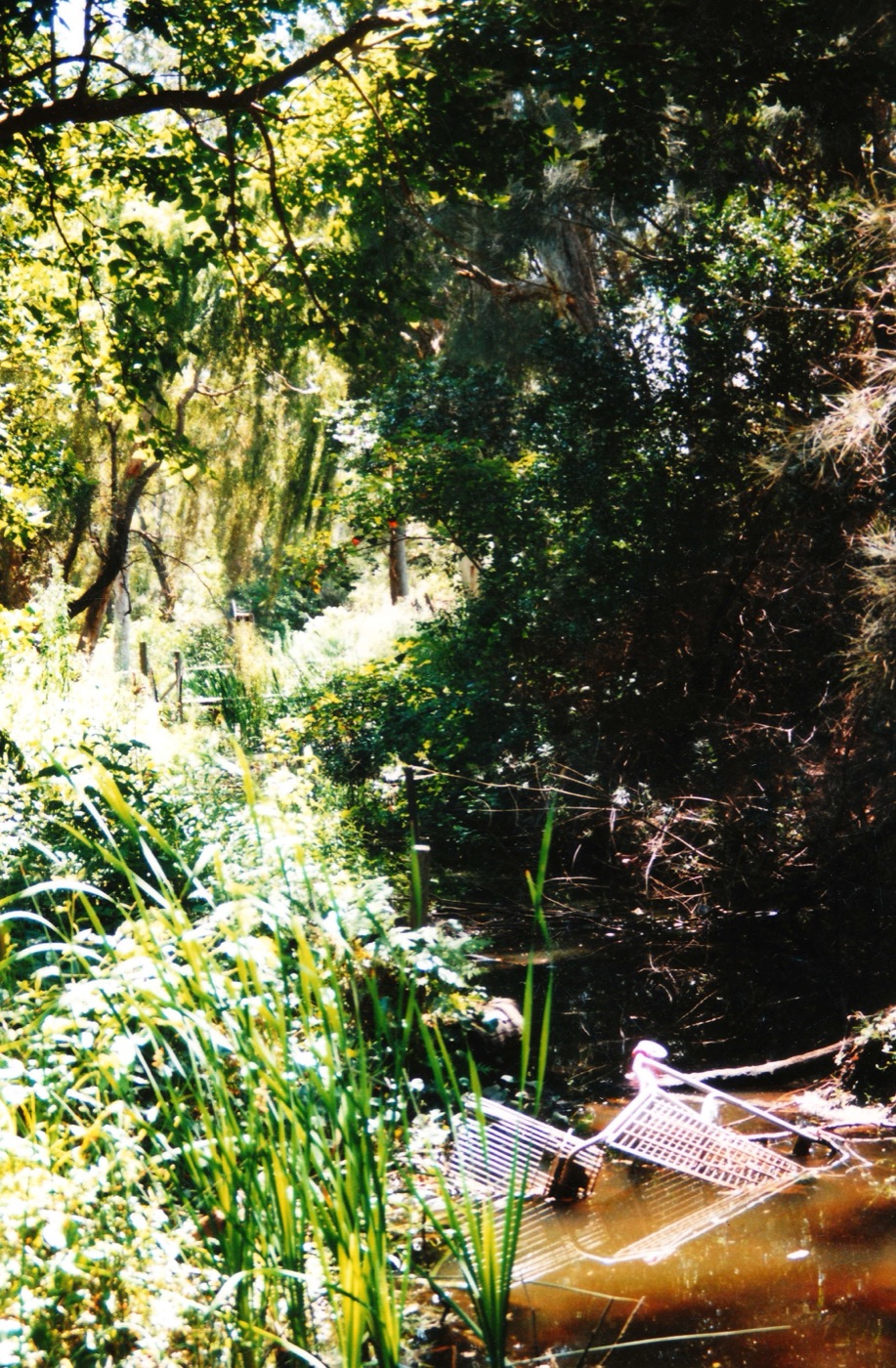
Ettymalong Billabong in 1995. This is where thirty years of work began.From the group's 1995 Rivers Reborn report
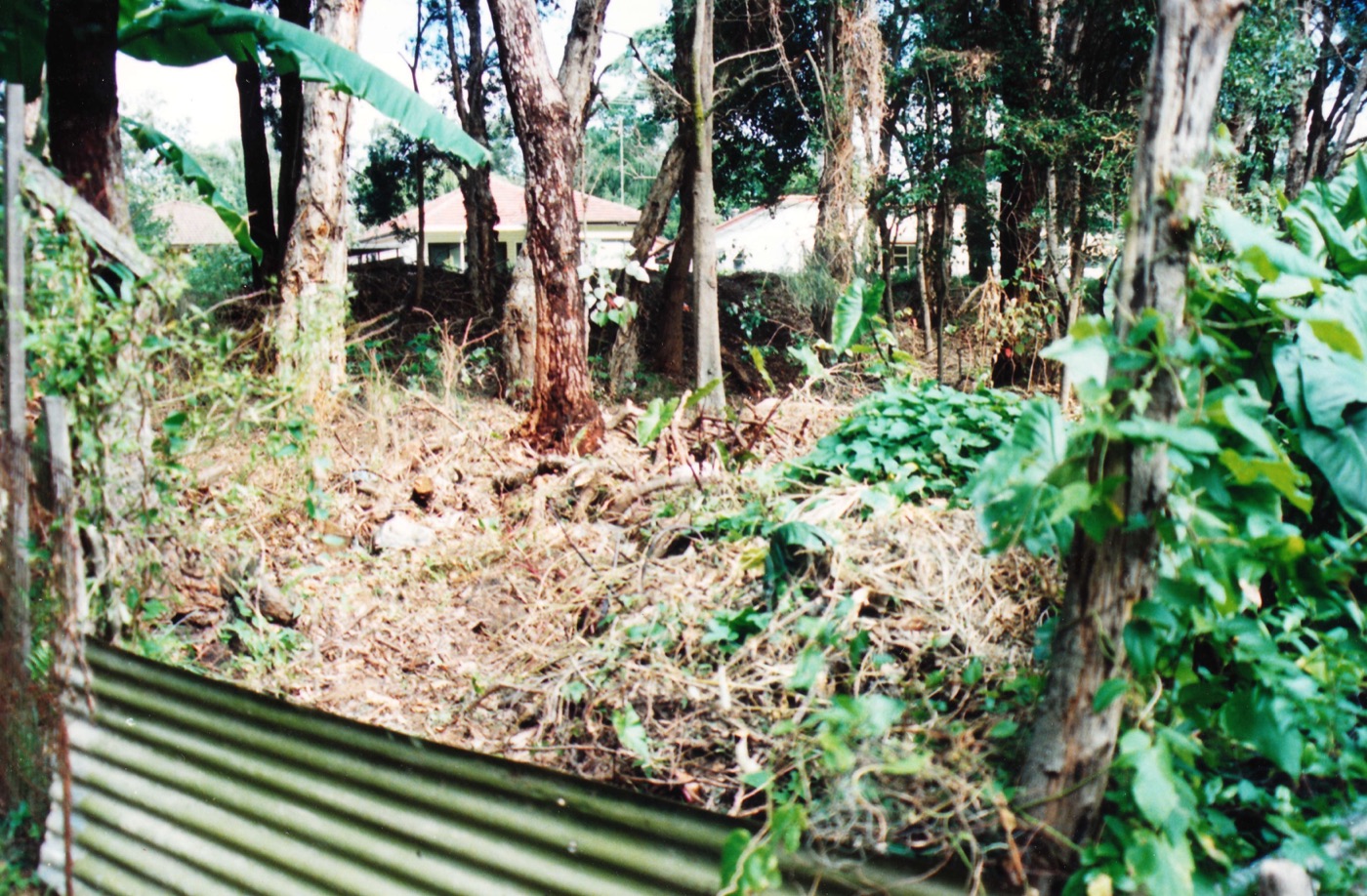
The site in 1995
These photos come from the group's first funded project report. Compare them with the billabong today.
Plans, reports and papers
The original documents behind the story, re-typeset so they're easy to read and search.
-
A history of community action
The group's own short history, from saving Iluka Lagoon to changing how Council looks after the creeks.
Read the PDF -
Kahibah, Iluka and Ettalong Creeks Management Plan
The first rehabilitation and management plan for the creeks, lagoons and reserves at Umina Beach, by Shortland Wetlands Centre. It still guides the work today.
Read the PDF -
Rivers Reborn final report
Rehabilitation and community education at Ettymalong Billabong, with before photos of the site and the community liaison report.
Read the PDF -
Vegetation maintenance of Kahibah Creek
A Gosford City Council conference paper by C. Coombs and V. Tysoe on managing the creek for flood levels and ecology at the same time.
Read the PDF -
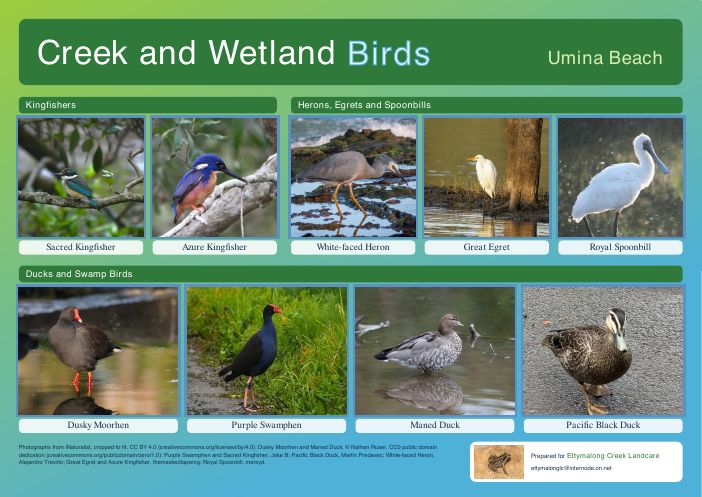
Creek and wetland birds of Umina Beach
A one-page photo guide to the kingfishers, herons and swamp birds you might see along the creeks.
Read the PDF